Spring Perennial Transplanting: Connect with Local Service Providers
Plan your spring garden refresh by connecting with local contractors experienced in perennial transplanting to enhance your landscape’s beauty and health.
Spring is a popular season for perennial transplanting because it offers ideal growing conditions and an opportunity to refresh garden landscapes after the winter months. During this time, the soil begins to warm, making it easier for transplanted plants to establish themselves and thrive throughout the growing season. Many property owners view spring as a practical moment to reorganize existing plantings, fill in gaps, or introduce new perennials to enhance curb appeal and garden diversity. Planning these projects in spring allows for a smooth transition into summer, with plants having ample time to settle and grow.
Typically, perennial transplanting services cover a range of tasks aimed at relocating, dividing, and planting established perennials to better suit the landscape’s design or health needs. Local contractors often assess existing plantings, carefully dig up and divide mature perennials, and replant them in new locations or arrangements. These services may also include soil preparation, ensuring that the transplanted plants have the right conditions to flourish. Some providers might offer advice on selecting suitable plant varieties or placement strategies to optimize garden aesthetics and plant longevity.
Property owners interested in perennial transplanting can compare local options by considering the experience and reputation of service providers in their area. It’s helpful to review the types of services offered, such as plant assessment, soil preparation, and post-transplant care. Checking for familiarity with local plant varieties and regional growing conditions can also be beneficial. By evaluating different contractors’ expertise and approach, property owners can find the right professionals to support their spring gardening projects and ensure successful perennial relocation and planting.
Compare local contractors’ experience and expertise to find the best fit for your spring perennial transplanting needs.
- Seasonal Transplanting Planning - Local contractors can help assess the best timing and placement for perennial transplants.
- Site Preparation Assistance - Service providers can prepare soil and surrounding areas to support healthy transplanting.
- Transplanting Techniques - Experienced professionals can ensure proper handling and placement of perennials for optimal growth.
- Post-Transplant Care - Local experts can offer advice and services to support perennial establishment and ongoing health.

Before choosing a service provider, clearly outline your transplanting project and compare local contractors’ options.
- Assess plant health and root systems - ensure perennials are free from disease and have healthy roots before transplanting.
- Choose appropriate transplanting locations - select spots with suitable sunlight, soil conditions, and spacing for each perennial.
- Prepare the soil in the new planting area - loosen, amend, and ensure proper drainage to support healthy growth.
- Handle plants carefully during removal - avoid damaging roots and foliage to reduce stress and promote successful establishment.
- Follow proper planting depth and spacing guidelines - ensure perennials are planted at the correct depth with adequate space for growth.
- Water thoroughly after transplanting - provide sufficient moisture to help plants settle into their new environment.
Use perennial transplanting ideas to refine your spring project scope with trusted local service providers.


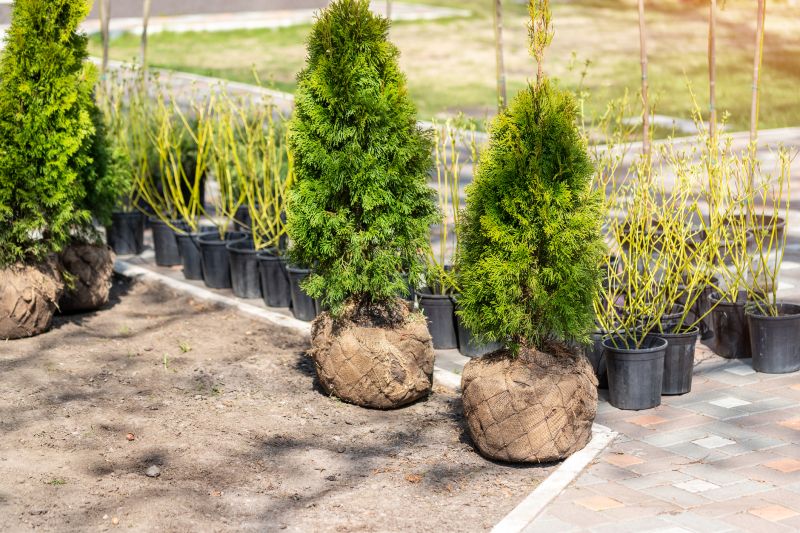
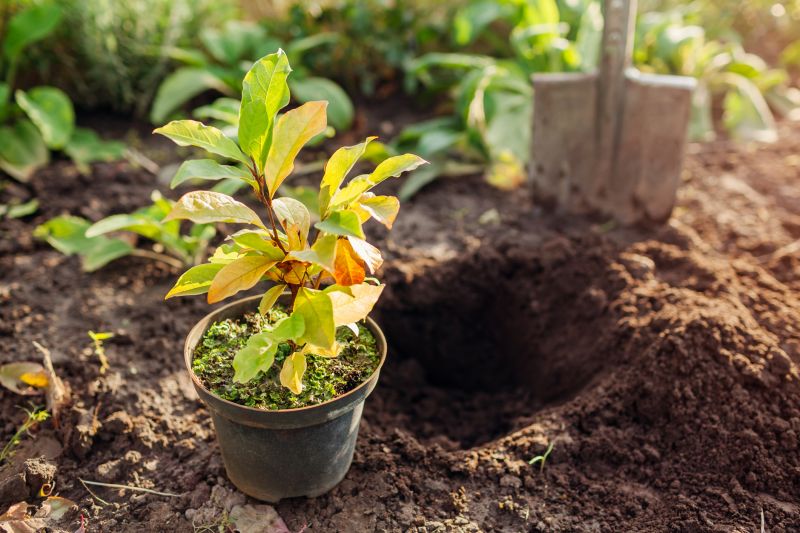
Prioritize your transplant goals and compare local service providers to find the best fit for your spring planting plans.
- Perennial Transplanting - Spring is an ideal time to relocate existing perennials to improve garden layout or health. Local contractors can assist with careful digging and replanting to ensure plant vitality. Proper transplanting techniques can help perennials thrive in new locations. Experienced service providers can advise on the best practices for different types of plants. Planning ahead with local pros can lead to a more vibrant and organized garden space.
Compare local contractors' scope options for perennial transplanting to ensure consistent quality and service standards.
- Site Assessment - Define the specific areas where perennial transplants will be placed and evaluate current soil conditions.
- Plant Selection - Identify suitable perennial species based on climate, soil type, and landscape design goals.
- Transplant Timing - Determine the optimal time during the spring season for transplanting to promote healthy establishment.
- Preparation Procedures - Outline the necessary steps for preparing the soil and plants prior to transplanting.
- Post-Transplant Care - Specify maintenance practices needed to support plant adaptation and growth after transplanting.
When evaluating service providers for perennial transplanting during the spring season, it is important to consider their experience with similar projects. Homeowners should look for local contractors who have a proven track record of successfully handling perennial relocations, especially those involving the specific types of plants and landscape conditions present on the property. An experienced professional will be familiar with best practices for transplanting perennials to ensure healthy plant recovery and long-term growth, which can contribute to a more seamless and stress-free process.
Clarity in the scope of work is essential when comparing options for perennial transplanting. Homeowners should seek out service providers who can clearly outline the steps involved, including site preparation, plant removal, transportation, and replanting. A well-defined scope helps ensure that all parties have aligned expectations and understand the extent of the work, reducing the potential for misunderstandings or overlooked details. Clear communication about the project scope also supports more effective work planning and coordination.
Work planning considerations are a key factor in selecting the right local contractor for spring transplanting projects. Homeowners should inquire about how each professional plans to approach the job, including scheduling considerations, site access, and any necessary preparations or follow-up care. A thoughtful work plan demonstrates a contractor’s ability to organize the project efficiently and adapt to seasonal conditions, such as soil moisture levels and weather patterns, which can influence transplant success. Proper planning can help ensure the project proceeds smoothly and aligns with seasonal growth cycles.
When comparing options, it is valuable to assess how each service provider’s experience, scope clarity, and work planning align with the homeowner’s specific needs. Asking detailed questions about past projects, requesting references if available, and reviewing the proposed approach can help identify the best fit for the job. Since this site functions as a neutral guide and lead generation resource, it emphasizes the importance of thorough research and clear communication to connect with local pros capable of delivering quality perennial transplanting services during the spring season.
Request written details to ensure clear scope and expectations when planning perennial transplanting this spring.
- **Spring Transplanting Scope** - What specific services do local contractors offer for perennial transplanting during spring?
- **Provider Comparison** - How do different local service providers vary in their approach to transplanting perennials in the spring season?
- **Service Coverage** - Do local contractors include soil preparation and plant care in their spring transplanting services?
- **Experience and Expertise** - What experience levels do local pros have with spring-focused perennial transplanting projects?
- **Service Options** - Are there different types of transplanting services available from local providers to suit various garden needs?
What is perennial transplanting? Perennial transplanting involves moving established perennial plants to new locations in the garden to improve growth, aesthetics, or to accommodate landscape changes.
When is the best time for perennial transplanting in spring? Spring is an ideal time for transplanting perennials before they begin active growth, allowing them to settle into their new spots during the growing season.
How do local contractors handle perennial transplanting? Local service providers typically assess plant health, prepare the new planting site, carefully dig and relocate the perennials, and ensure proper planting techniques for healthy growth.
What should be considered before transplanting perennials in spring? It's important to evaluate the plant’s size, root system, and health, as well as the suitability of the new location, to ensure successful transplantation.
Can all perennials be transplanted in spring? Most perennials can be transplanted in spring, but some varieties may require special care or different timing; consulting with local pros can provide tailored advice.
Why hire local service providers for perennial transplanting? Local contractors have experience with regional plant varieties and soil conditions, helping to ensure that transplanted perennials establish well and thrive in their new location.
Spring is a busy season for garden renewal, and transplanting perennials can be a great way to refresh your landscape. Visitors have learned that proper timing and technique are key to successful transplanting, helping plants establish and thrive in their new location. By exploring the options available, homeowners can find experienced local contractors who understand the nuances of perennial transplanting and can assist with the project.
To find the right fit for your garden needs, consider using the quote form to compare local service providers. Connecting with trusted local contractors allows for personalized advice and tailored solutions, ensuring your spring planting efforts are well-supported.
Providing clear details about your perennial transplanting project helps local contractors understand your needs and plan effectively.
- Plant Selection - share your preferred perennial varieties or specific planting goals for your landscape.
- Transplant Experience - describe any previous experience or comfort level with transplanting perennials.
- Garden Conditions - provide details about your garden’s soil type, sunlight exposure, and available space.
- Project Goals - outline what you hope to achieve with perennial transplanting, such as garden refresh or plant division.